
Your GLP-1 Medication Eligibility Checklist
Use this GLP-1 medication eligibility checklist to understand BMI, health history, safety screening, and what a clinician reviews before prescribing.
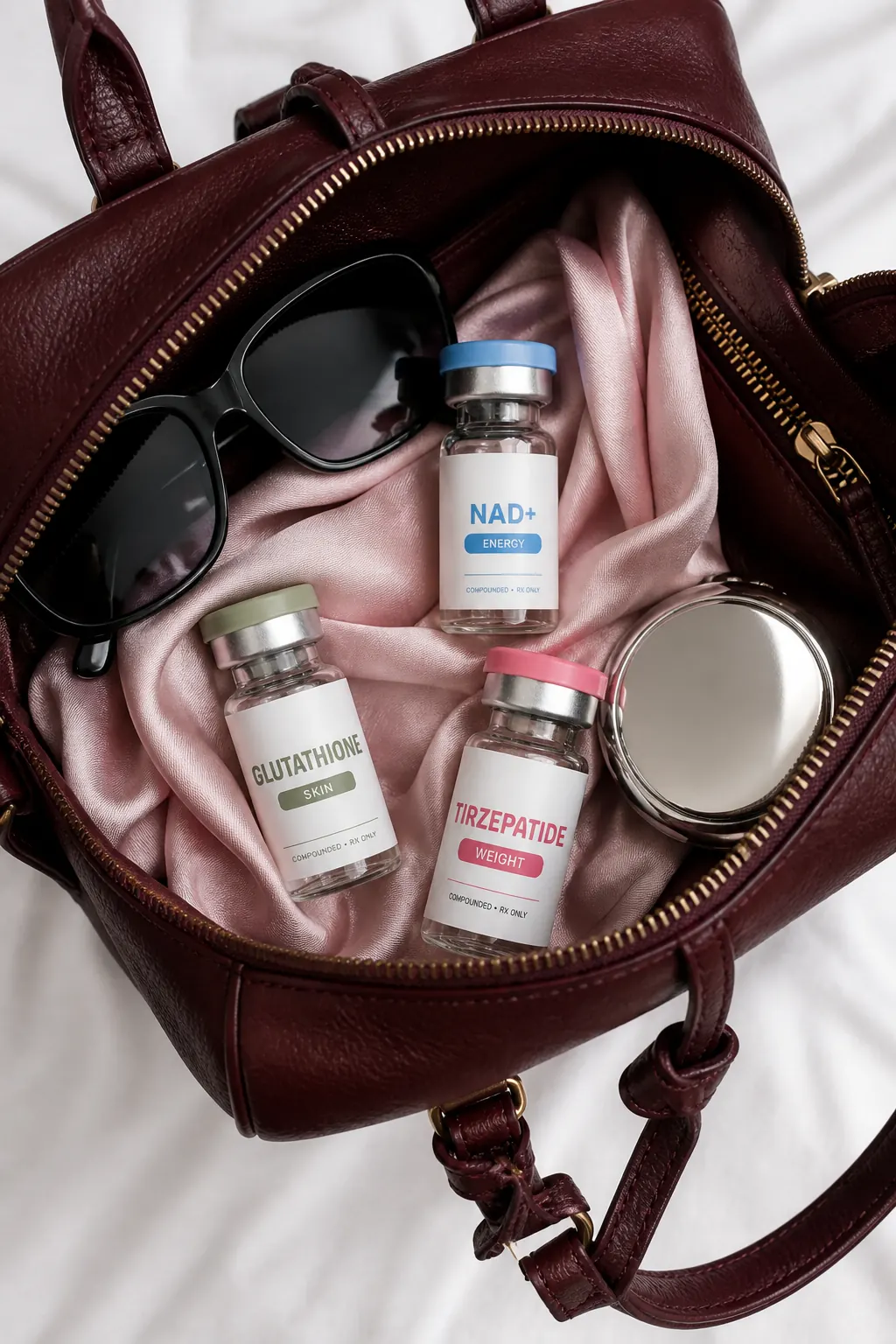
You have questions before the intake: Does my health history matter? What about my other medications? And how do I know whether this is a sensible next step? This GLP-1 medication eligibility checklist helps you prepare for that conversation without trying to diagnose yourself from a form.
GLP-1 medications are prescription treatments, not a personality test or a reward for dieting hard enough. A licensed clinician looks at the full picture: your weight and health goals, medical history, current medications, and whether the potential benefits make sense for you.
GLP-1 Medication Eligibility Checklist: The Basics
For most adults seeking GLP-1-based treatment for chronic weight management, clinicians begin with body mass index, or BMI. Many FDA-approved medication labels use a BMI of 30 or higher, or a BMI of 27 or higher with at least one weight-related condition. Those conditions can include high blood pressure, high cholesterol, prediabetes, type 2 diabetes, sleep apnea, or cardiovascular disease.
BMI is a screening tool, not a verdict on your health, beauty, discipline, or worth. It also has limitations. It does not distinguish muscle from fat, reflect every body type equally, or capture how you feel day to day. Still, it may be part of the prescribing criteria a clinician must use.
Your clinician will also ask whether your goal is medically appropriate. That might mean managing a condition affected by weight, reducing relentless appetite, supporting a sustainable loss plan after repeated dieting cycles, or maintaining progress you have already made. Wanting to feel more comfortable in your clothes is real. The clinical question is whether medication is a safe and appropriate part of that plan.
A quick self-check before your intake
You can bring a weight-related concern to a clinician, but being an adult with a goal does not establish prescribing eligibility. The exact product criteria, medical need, safety screening, and ability to follow up all belong in the decision. GLP-1 care works best when it is treated as care, not a one-click purchase.
Come prepared to share your current height, weight, recent weight changes, health conditions, medications, allergies, and any past experience with weight-loss treatments. Honest answers help your clinician protect you and personalize the plan. There is no prize for leaving out the inconvenient details.
Cravings, food noise, or a change in clothing size alone do not establish eligibility for a weight-management medicine. Ask which approved indication and criteria apply to the exact product your clinician is considering.
Sources: NIDDK · Eli Lilly and Company · Novo Nordisk
When GLP-1 Medication May Not Be Appropriate
There are situations where a clinician may recommend against GLP-1 treatment or pause the decision until more information is available. Wegovy and Zepbound are contraindicated with a personal or family history of medullary thyroid carcinoma or multiple endocrine neoplasia syndrome type 2. Tell your clinician about either history before treatment.
Pregnancy, trying to conceive, and breastfeeding also require a different conversation. Weight-loss medications are generally not used during pregnancy, and timing matters because some medications need to be stopped before trying to become pregnant. If pregnancy is possible for you, be direct about your plans and your contraception method.
A prior serious allergic reaction to a medication in this class may rule out use. So can certain untreated or unstable medical issues. Eligibility is not always a clean yes or no on the first visit. Sometimes the most caring answer is, “Let’s address this first, then reassess.”
Medication Review: The Part You Should Never Skip
Your current medication list can change the plan substantially. Tell your clinician about prescriptions, over-the-counter products, vitamins, supplements, and peptides. Include the things you take only occasionally, such as anti-nausea medications, sleep aids, or an old prescription you use when symptoms flare.
Particular attention is needed if you use insulin or medications called sulfonylureas, because combining them with a GLP-1 medication can increase the risk of low blood sugar. People with type 2 diabetes may need adjusted dosing and closer glucose monitoring. GLP-1 medications are not typically used as a substitute for insulin in type 1 diabetes.
Some GLP-1-based medications can affect how quickly your stomach empties, which may influence how certain oral medications are absorbed. Your clinician may discuss backup contraception or timing considerations if you use oral birth control, especially when starting treatment or increasing a dose. This is a very normal question to ask. Put it on the list right next to “Will I be nauseated at brunch?”
Are You Ready for the Treatment Routine?
Eligibility is also practical. Many GLP-1 treatment plans involve a weekly injection, gradual dose adjustments, regular check-ins, and habits that support steady progress. You do not need to have a flawless meal-prep routine or love the gym. You do need to be willing to communicate if side effects show up and follow the plan your clinician recommends.
Common side effects can include nausea, constipation, diarrhea, vomiting, stomach discomfort, and reduced appetite. Starting low and increasing gradually may help some people tolerate treatment better, but there is no medal for rushing to a higher dose. The “right” dose is the one that balances results, tolerability, and safety under clinical guidance.
Nutrition still matters, especially protein, fiber, fluids, and adequate overall intake. Strength training or other resistance work can also help protect lean mass during weight loss when appropriate for your body and fitness level. Medication may turn down the volume on food noise. It does not replace nourishment, movement, sleep, or ongoing care.
Questions to Bring to Your Clinical Review
A good intake should feel less like being judged and more like building a plan. Ask what medication options might fit your history, what results are realistic, how dosing is adjusted, and what side effects warrant a call. You can also ask how the program handles follow-up, refills, missed doses, medication storage, and maintenance after you reach a goal.
If you are curious about a lower-and-slower approach, ask whether GLP-1 microdosing is clinically appropriate for your needs. It is not automatically better or gentler for everyone, and it is not a shortcut around screening. The right approach depends on your medical history, goals, response, and the clinician’s judgment.
At Pretty Girls Peptide, the intake is designed to make space for the questions already in your group chat, alongside the details a licensed clinician needs to make a responsible decision. Serious care. Never boring.
The best next step is not to diagnose yourself from a checklist. It is to bring your real story to a qualified clinician: the hunger that will not quit, the habits you have already tried, the health details you might be tempted to minimize, and the version of feeling like yourself again that you are working toward.
Real answers. Pretty clear.
Frequently asked questions
What determines GLP-1 medication eligibility?
GLP-1 eligibility depends on the exact medicine and medical reason for treatment. For adult weight management, BMI and weight-related conditions are common starting points; health history, medicines, pregnancy plans, and follow-up also matter. A checklist cannot approve you for treatment.
Link to this answerCan a checklist tell me whether I qualify?
No. A checklist helps you prepare for clinical review. Your prescriber must consider the exact medicine, medical indication, health history, current medicines, potential risks, and follow-up needs.
Link to this answerMedical sources
- 01Prescription Medications to Treat Overweight and ObesityNIDDK · Accessed September 2026
- 02Zepbound prescribing informationEli Lilly and Company · 2026
- 03Wegovy prescribing informationNovo Nordisk · 2026
Keep reading
Related reads
Weight
Protein and Strength on a GLP-1: Keep Nourishment in the Picture
A smaller appetite still needs nourishment. Build a practical plan for protein, strength, and the days eating feels harder.

Weight
Semaglutide vs. Tirzepatide
A practical comparison of two weekly medicines, including how they work, what studies can tell us, and how a clinician helps choose between them.
Weight
Your First 90 Days on a GLP-1
A week-by-week guide to starting steadily, supporting your body, and building a useful follow-up rhythm.
Pretty Anonymous