
NAD+ and Everyday Energy
The short answer: NAD+ is a coenzyme involved in cellular energy metabolism—not a peptide. Claims about energy, recovery, or longevity depend on the formulation and available evidence. Human research is limited, so ask what supports the exact product you’re considering.

If you are tired of feeling tired, NAD+ claims can sound appealing. NAD+ has important jobs inside cells, but that does not prove a supplement, infusion, or injection will improve everyday energy. Here is how to separate what the body does from what a treatment has actually been shown to do.
NAD+, in plain English
Nicotinamide adenine dinucleotide, or NAD+, is a coenzyme found in cells. It helps turn nutrients into usable energy and participates in DNA repair, cell signaling, and other essential processes. The body makes NAD+ through several pathways using vitamin B3-related compounds.
Researchers have studied oral precursors such as nicotinamide riboside and nicotinamide mononucleotide, as well as NAD+ or related compounds delivered by other routes. These are not interchangeable interventions. Route, dose, formulation, and outcome all matter.
What the human evidence says
Trials of oral NAD+ precursors often show that they can change NAD-related biomarkers over weeks or months. Results for energy, physical performance, metabolic health, cognition, and other wellness outcomes have been mixed or limited.
A 2026 systematic review found biological activity but inconclusive clinical effectiveness for anti-aging and wellness outcomes. It also found no eligible outcomes trials of intravenous or intramuscular NAD+ itself for those uses. That means broad promises about energy, focus, repair, or longevity run ahead of the evidence.
Injectable or intramuscular NAD+, intranasal NAD+, intravenous NAD+, and oral precursors such as NR or NMN are different interventions. Evidence for one route, dose, or compound cannot be transferred to another, and a change in an NAD-related biomarker is not proof of a meaningful clinical benefit.
What the experience can look like
Someone seeking help for everyday energy may first need a broader evaluation. Sleep quality, iron or B12 status, thyroid function, mood, nutrition, medication effects, infection, perimenopause, and many other factors can influence fatigue.
If a clinician discusses an NAD-related intervention, agree on a specific goal and time frame. A vague hope to feel younger is difficult to evaluate. A defined outcome—such as afternoon energy, exercise tolerance, or recovery from a documented deficiency—makes follow-up more honest.
Who might discuss it with a clinician
Adults curious about NAD+ may benefit from a clinician conversation when fatigue is persistent, new, worsening, or affecting daily life. The priority is to understand the symptom and rule out conditions that need established treatment.
Bring your medication and supplement list, sleep pattern, alcohol use, diet changes, recent illness, and any symptoms such as shortness of breath, chest pain, bleeding, unexplained weight change, weakness, or mood changes. Those details may point toward a more useful next step.
Everyday energy support
Regular sleep timing, enough food and fluids, daylight, movement, and treating identified deficiencies are less glamorous than an infusion, but they are more directly connected to many causes of low energy. Start with the bottleneck that actually applies to you.
Track energy at the same times each day for two weeks alongside sleep, meals, activity, and symptoms. Patterns can make a clinician visit more productive and help you judge whether any intervention is doing something meaningful.
A calm safety and product check
The evidence and safety profile vary by compound and route. Infusions add procedure-related considerations, while supplements can have quality, dose, and interaction issues. An intervention that changes a blood biomarker is not automatically improving health.
Ask who is prescribing and administering the product, what exactly it contains, why that route was chosen, what adverse effects are expected, and how benefit will be measured. Seek prompt medical care for severe symptoms during or after an infusion.
Real answers. Pretty clear.
Frequently asked questions
Will I actually feel more energized with NAD+?
There is not strong clinical evidence that NAD+ reliably improves everyday energy. Feeling tired can have many causes. Start with a clinician’s assessment rather than assuming NAD+ is the missing piece.
Is NAD+ the same thing as the supplements I see online?
Not necessarily. NAD+, NR, and NMN are different compounds, and a study of one does not prove benefits for another. Ask what the exact product contains and what human research supports its proposed use.
How do I choose between a nasal spray and an injection?
Ask your clinician about the exact formulation, available evidence, and risks. One route has not been established as better for everyday wellness. Injections also need sterile preparation; FDA has received reports of adverse events with injectable NAD+.
What should I ask before starting?
Ask what benefit is realistic, how you would judge whether it helps, and whom to contact about side effects. Share your medicines and health history, and ask whether ongoing fatigue needs a separate evaluation first.
A 2019 NAD+ infusion pilot included 11 men: eight received NAD+ and three saline. It examined metabolism during an intravenous infusion, not the effectiveness of nasal spray or at-home injections for energy or longevity. Grant et al., Frontiers in Aging Neuroscience (2019).
Medical sources
- 01NAD+ supplementation for anti-aging and wellnessSystematic Review · 2026
- 02Evaluation of safety and effectiveness of NAD in different clinical conditionsSystematic Review · 2024
- 03NAD+ therapy in age-related degenerative disordersAgeing Research Reviews · 2020
- 04The efficacy and safety of beta-nicotinamide mononucleotide supplementationGeroScience · 2023
- 05Ingredients suitable for sterile compoundingFDA
- 06Grant et al.: NAD+ infusion pilot study
Keep reading
Related reads

Peptide Education
A Woman’s Guide to Peptide Therapy
A grounded guide to peptide medicines, wellness claims, and the questions that help women make informed decisions with a clinician.
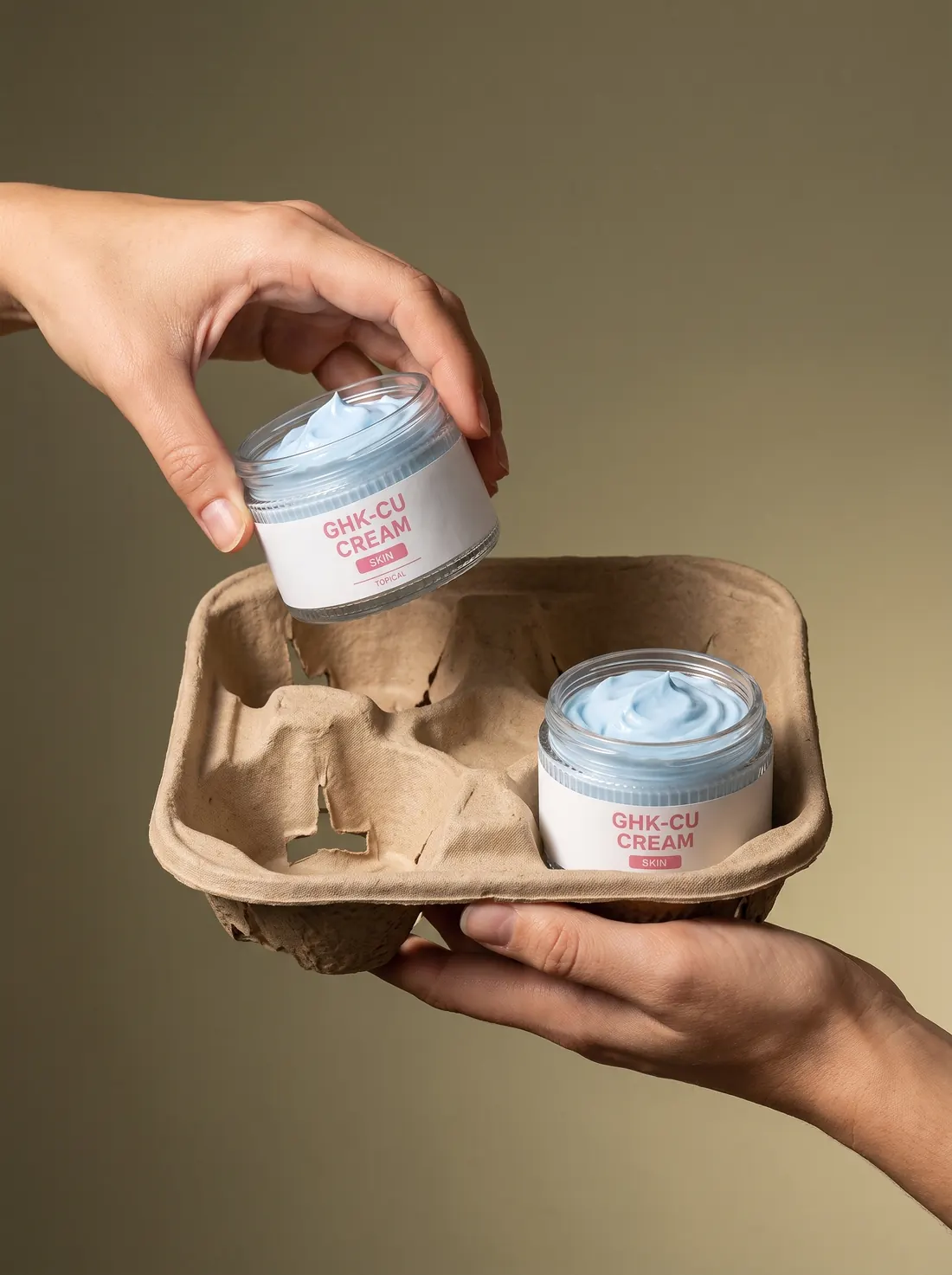
Skin
GHK-Cu and Modern Skin Renewal
A grounded guide to copper-peptide skin care, realistic expectations, formulation questions, and a simple routine that protects the basics.
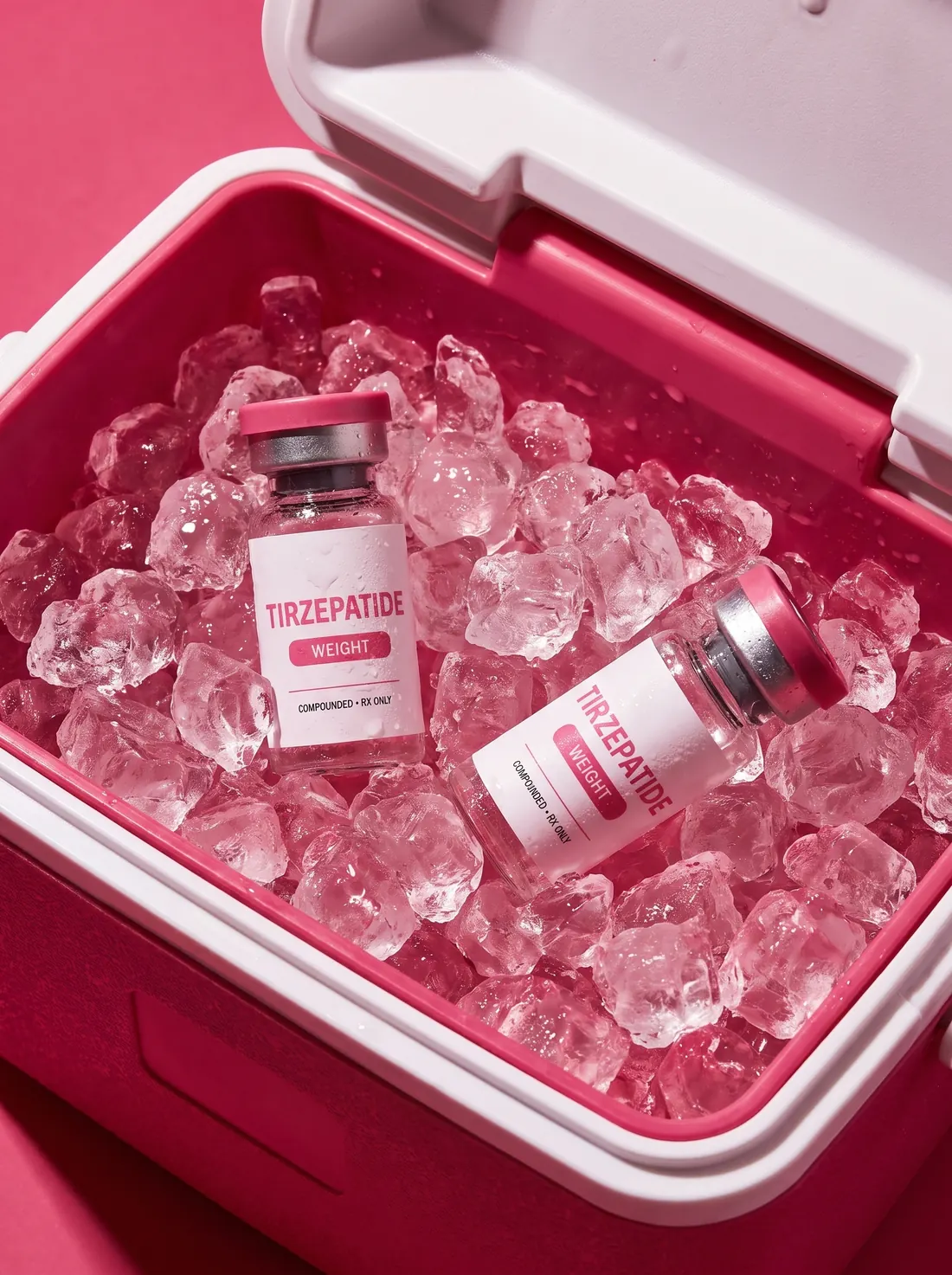
Weight
Protein and Strength on a GLP-1: Keep Nourishment in the Picture
A smaller appetite still needs nourishment. Build a practical plan for protein, strength, and the days eating feels harder.
Pretty Anonymous
Questions people are asking
Explore Pretty Anonymous →Treatment requires clinician evaluation. Education does not establish eligibility or guarantee a prescription.