
GLP-1 and Fertility Before You Try to Conceive
GLP-1 and fertility questions deserve more than group-chat rumors. Learn what can change with PCOS, birth control, pregnancy planning, and your timing.
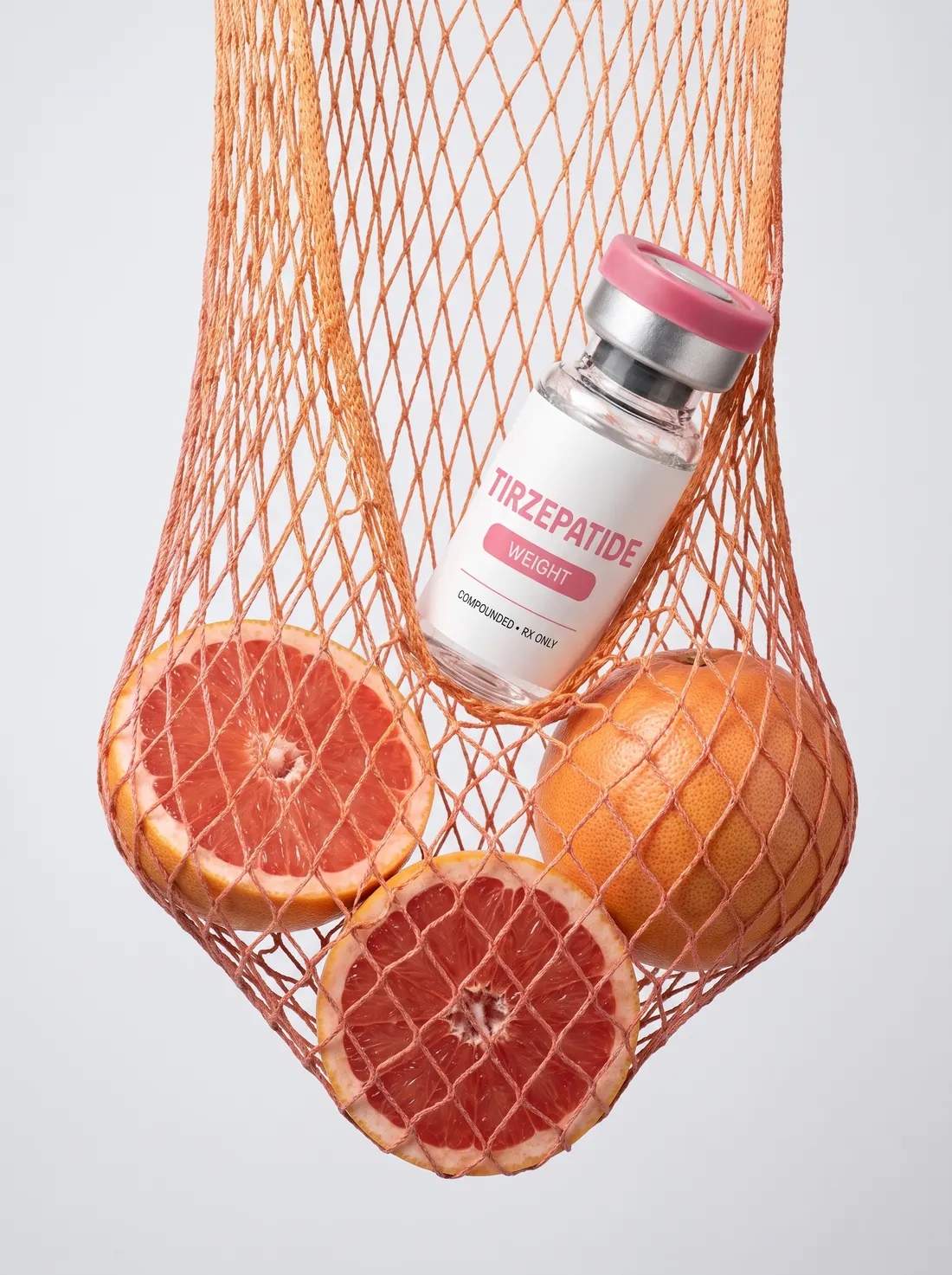
That sudden wave of pregnancy announcements after someone starts a GLP-1 has earned plenty of nicknames online. But for anyone actively trying to conceive - or trying very much not to - GLP-1 and fertility is not a cute group-chat topic. It is a planning conversation worth having before your next dose.
GLP-1 medications can improve metabolic health and may indirectly support more regular ovulation for some people, especially those with polycystic ovary syndrome (PCOS). They are not fertility medications, though. And because these medications are not recommended during pregnancy, feeling better in your body and planning for a baby may require a little more strategy than social media makes it seem.
Can GLP-1 Medications Affect Fertility?
Possibly, but usually indirectly. GLP-1-based medications, including semaglutide and tirzepatide, are prescribed for metabolic and weight-management care. They can reduce appetite, improve blood-sugar regulation, and support weight loss when clinically appropriate. Those changes may also affect the conditions that can interfere with regular ovulation.
For women with PCOS, insulin resistance and higher body weight can contribute to irregular periods or infrequent ovulation. When metabolic markers improve and cycles become more predictable, ovulation can return. That may make pregnancy more likely for some people, including those who had assumed their irregular cycle meant pregnancy was unlikely.
This is why the internet talks about "Ozempic babies." The more accurate version is less dramatic: a person may become more fertile when underlying metabolic factors improve, and an unexpected pregnancy can happen if birth control is inconsistent or no longer working as expected.
That does not mean a GLP-1 will restore ovulation for everyone. Fertility depends on many factors, including age, ovarian reserve, fallopian tube health, sperm factors, endometriosis, thyroid conditions, PCOS severity, and how regularly you ovulate. Weight change may be one relevant piece of the picture, not the whole story.
Sources: Eli Lilly and Company · Novo Nordisk · Monash University
GLP-1 and Fertility With PCOS
PCOS is one of the situations where the conversation can feel especially hopeful - and especially nuanced. Many women with PCOS know the cycle: cravings that feel louder than everyone else’s, a carefully planned Monday reset, workouts that do not seem to move the needle, and periods that arrive whenever they feel like it.
For eligible patients, clinician-guided metabolic treatment may help address insulin resistance, appetite regulation, and weight-related health goals. As those factors shift, some women see more regular menstrual cycles. More regular cycles can mean more opportunities to ovulate.
Still, regular bleeding is not automatic proof of ovulation, and ovulation is not a guarantee of pregnancy. If pregnancy is your goal, an OB-GYN or fertility specialist can help you understand your cycle, medication timing, and whether additional evaluation makes sense. If pregnancy is not your goal, do not treat irregular periods as reliable contraception. They are not.
If You Do Not Want to Get Pregnant
Use a dependable contraceptive method and tell your prescribing clinician what you use. This matters for every GLP-1 patient of reproductive potential, but there is one extra detail with tirzepatide: it can affect the absorption of oral birth-control pills during dose escalation.
The prescribing information for tirzepatide advises switching to a non-oral contraceptive method or adding a barrier method for four weeks after starting treatment and for four weeks after each dose increase. Your clinician can help you choose a plan that fits your life, whether that means a non-oral option, condoms as backup, or another approach.
Vomiting or severe diarrhea can also interfere with the effectiveness of oral contraception, regardless of which medication caused the symptoms. If either occurs, check in promptly about backup protection and symptom management. Serious care, never boring - but also never casual when pregnancy prevention is on the line.
Sources: Eli Lilly and Company · Novo Nordisk
Planning Pregnancy: When Should You Stop a GLP-1?
GLP-1 medications are not recommended during pregnancy. Human pregnancy data are limited, and animal studies have raised concerns. The goal is not to panic if you see a positive test. The goal is to avoid exposure when possible and have a clear plan before you begin trying.
Timing depends on the specific medication because these drugs remain in the body for different lengths of time. Current product labeling generally recommends stopping semaglutide at least two months before a planned pregnancy. For tirzepatide, ask your prescriber for a specific stop date and transition plan; the U.S. Zepbound label does not specify a universal preconception interval. Do not borrow the timing for a different medicine.
This can feel frustrating, particularly if you have worked hard to improve your relationship with food, your energy, or your weight. Coming off medication is not a willpower test. Appetite and food noise may change, and weight maintenance can require a thoughtful transition plan. Discuss nutrition, movement, sleep, and any pregnancy-safe alternatives with your care team before stopping.
If pregnancy is recognized while using Wegovy or Zepbound for weight management, the product labeling directs stopping treatment. Contact your prescriber and OB-GYN promptly for individualized advice; an unplanned exposure does not tell you what the pregnancy outcome will be.
What About GLP-1 Microdosing?
A lower-and-slower treatment approach may be part of a personalized weight-care plan for some patients. But a smaller dose does not turn a GLP-1 into a pregnancy-safe medication. Pregnancy planning and contraception guidance still apply, and there is no universally established "safe" microdose for conception or pregnancy.
The same goes for compounded products. The ingredient, dose, source, and clinical context all matter. A licensed clinician should review your medications and medical history, especially if you are trying to conceive, breastfeeding, undergoing fertility treatment, or have a history of pregnancy complications.
Sources: Eli Lilly and Company · Novo Nordisk
Questions to Bring to Your Clinician
You do not need to walk into a visit with a color-coded fertility spreadsheet. You do deserve answers that are specific to you. Start with whether you want pregnancy now, later, or not at all. Then share the details that can change the recommendation: your cycle regularity, PCOS diagnosis, current birth control, prior fertility concerns, history of gestational diabetes, and any medications or supplements you take.
Ask what timing makes sense if you plan to try in the next few months. Ask how to maintain metabolic progress after stopping treatment. And if you are using tirzepatide and a birth-control pill, ask directly about backup contraception around starting and dose changes.
At Pretty Girls Peptide, treatment decisions begin with a private intake and licensed clinical review because your goals are personal, not one-size-fits-all. Weight care can be empowering. It should also leave room for the life you are building - whether that includes a future baby, a firm no, or simply more time to decide.
Your body is allowed to change, your plans are allowed to change, and asking for a medication plan that respects both is exactly the move.
Real answers. Pretty clear.
Frequently asked questions
Can GLP-1 medicines affect fertility?
GLP-1 medicines are not fertility treatments. Changes in weight and metabolic health may affect cycles, but pregnancy planning requires a separate medication plan. Discuss contraception and when to stop your exact medicine before trying to conceive.
Link to this answerIs a smaller GLP-1 dose safe during pregnancy?
A smaller dose does not establish pregnancy safety. Weight-management treatment needs a separate pregnancy plan with your prescriber and OB-GYN; do not use a microdose as a workaround.
Link to this answerMedical sources
- 01Zepbound prescribing informationEli Lilly and Company · 2026
- 02Wegovy prescribing informationNovo Nordisk · 2026
- 03International evidence-based PCOS guidelineMonash University · Accessed September 2026
Keep reading
Related reads
Weight
GLP-1 Periods and Birth Control: Key Facts
GLP-1 periods and birth control can raise real questions about cycles, pill absorption, and pregnancy risk. Here’s what to ask your clinician right now.
Weight
Your GLP-1 Medication Eligibility Checklist
Use this GLP-1 medication eligibility checklist to understand BMI, health history, safety screening, and what a clinician reviews before prescribing.
Pretty Anonymous